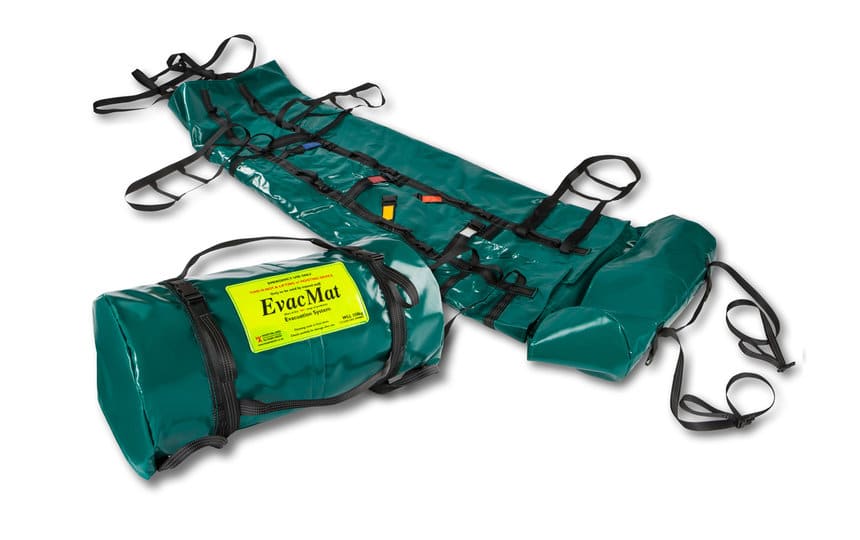
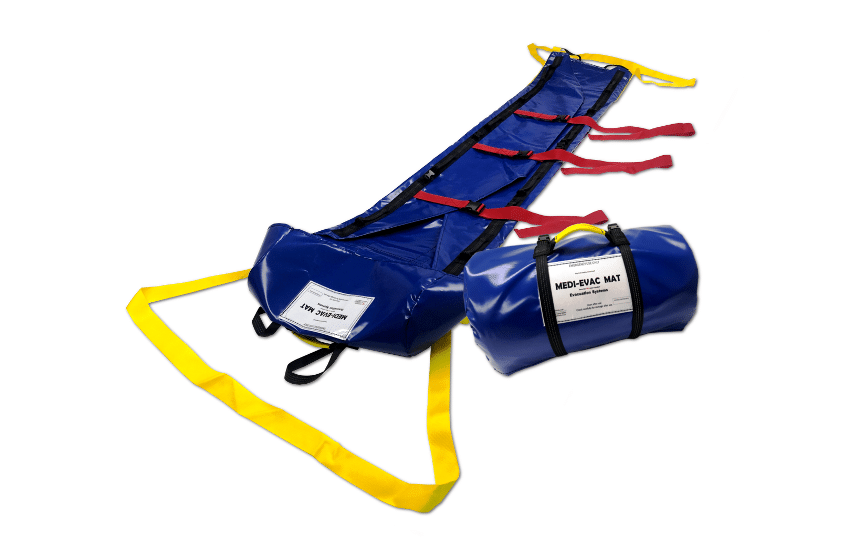
Medi EvacMat Rescue Sled

SPECIFICATIONS Packed: 51cm x 25cm x 24cm approx Unrolled: 145cm x 240cm approx Base: Polyethylene board Material: Flame retardant anti-bacterial PVC Weight: 5kg Working load…

Request information
Medi-Evac Mat

Product details

SPECIFICATIONS

Packed: 51cm x 25cm x 24cm approx
Unrolled: 145cm x 240cm approx
Base: Polyethylene board
Material: Flame retardant anti-bacterial PVC
Weight: 5kg
Working load limit: 160kg

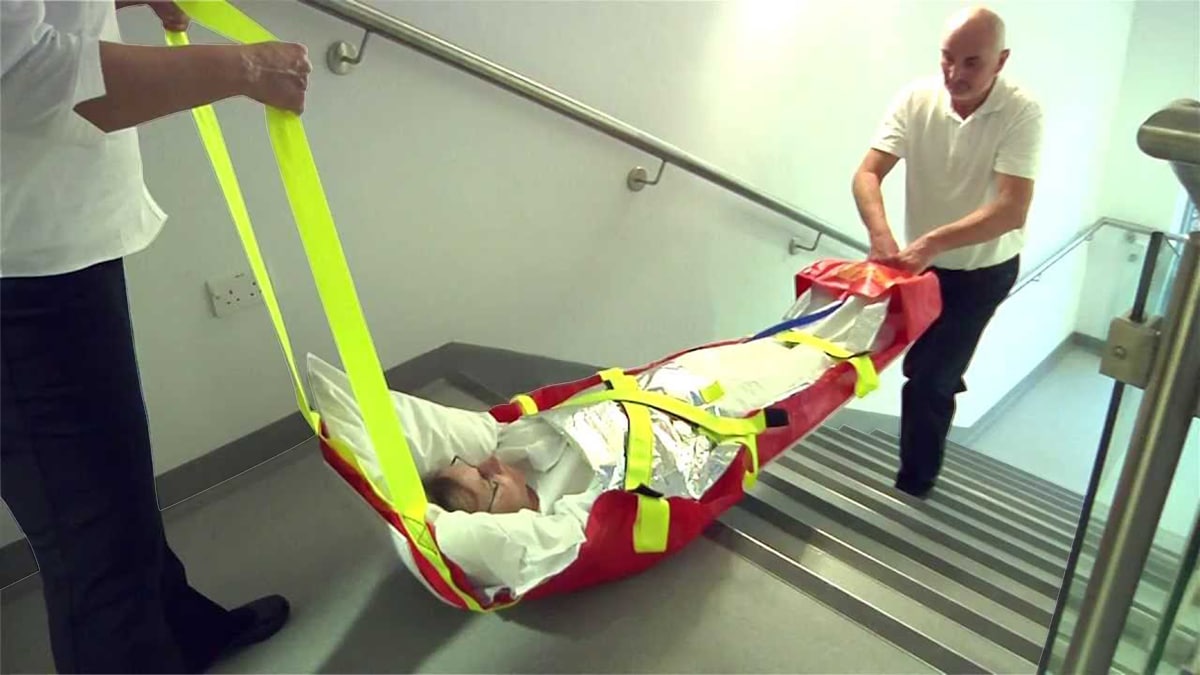
The Medi EvacMat has been designed to be used as an evacuation aid for a non-ambulant person in an emergency. Similar in design to that of the popular Bariatric Evacmat, the Medi EvacMat’s tough, slippery Polyethylene base board allows it to be moved easily over indoor and outdoor surfaces for both horizontal and vertical evacuation.

The Medi EvacMat is self-contained within its own carry case and can be wall mounted within rooms, on wards or at refuse points for instant access in an emergency. Furthermore its compact design makes it easy to store on emergency vehicles.

Constructed using hard wearing Polyvinyl, the Medi EvacMat features side wings which cocoon the user to enable a greater feeling of safety and security while being moved. This is especially useful with users who may display challenging behaviour while being evacuated due to dementia or mental illness.

Multiple positioning handles run along all four sides of the mat to enable it to be manoeuvred on landings and in tight space areas. The length of the Medi EvacMat can be adjusted to suit the height of the user by using the buckled straps located at the foot end of the Mat.

Other features include head and foot end operator pulling handles, three brightly coloured patient securing straps, a large foot pocket and internal pillow.
Planning fit

Evaluate the complete use case.

A useful product review goes beyond a single feature. Confirm these four areas with your safety, clinical, facilities, and response teams.

01

People

Mobility, positioning, clinical support, dignity, and the range of users the plan must cover.

02

Path

Stairs, landings, door widths, surface changes, corners, distance, and destination.

03

Responders

Realistic staffing by shift, handler roles, communication, and ergonomic considerations.

04

Readiness

Placement, inspection, cleaning, deployment time, drills, and refresher training.

Questions to confirm

Before this becomes part of the plan.

We’ll help you obtain current documentation and work through the practical details for your facility.

Ask a product specialist →
How do I know whether this product fits our route?

Document the full path, including stairs, turns, thresholds, door widths, travel distance, and the safe destination. Share those details with our team so the product can be reviewed in context.

What specifications should we verify?

Confirm current dimensions, rated capacity where applicable, handler guidance, materials, cleaning instructions, storage needs, and manufacturer instructions before selecting or using a device.

Should the product be included in drills?

Equipment is most useful when placement, roles, deployment, and movement have been incorporated into your organization’s training and emergency procedures.

Try “stairs,” “NICU,” “bariatric,” or a product name.

Side-by-side

Product comparison