Assess
Document needs and constraints.
Solutions by setting
Higher-capacity equipment for safer, more dignified movement.
Build the response
Focus on rated capacity, patient containment, responder positioning, route width, and the number of handlers required.
The most useful shortlist reflects who needs help, the physical route, the responders available, and how the equipment will remain ready between drills and events.
Mobility, positioning, support, and capacity needs.
Stairs, doors, surfaces, distance, and destination.
Available responders, roles, and shift realities.
Storage, inspection, cleaning, and training.
From shortlist to readiness
Use a repeatable process so the equipment supports the plan—and the people expected to carry it out.
Document needs and constraints.
Build a product shortlist.
Confirm current specifications.
Include equipment in procedures and drills.
6 relevant products
Use these as a starting point. Select up to three products for a side-by-side view, then confirm final fit and manufacturer guidance.
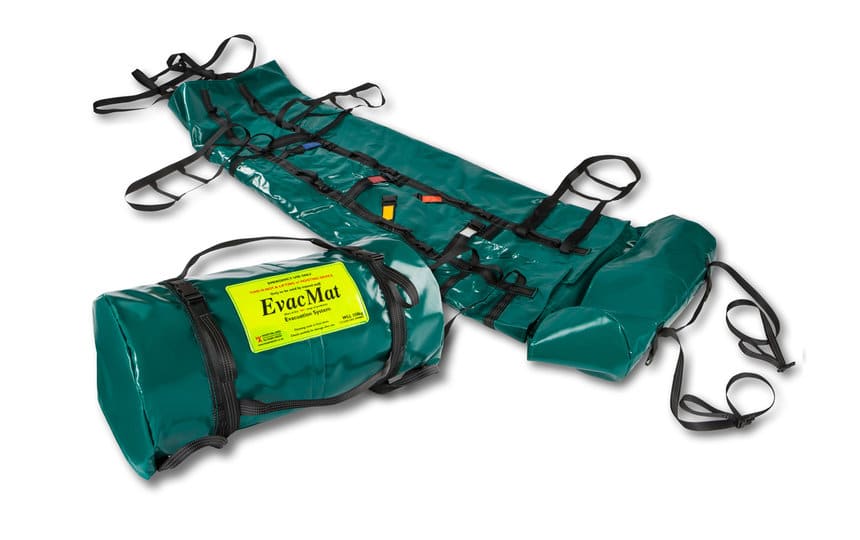
AlbacMat Holder is also available: Neatly stores 4 Standard or Large Size Mats. Holders with mats can easily be carried to areas of emergency for rapid distribution.
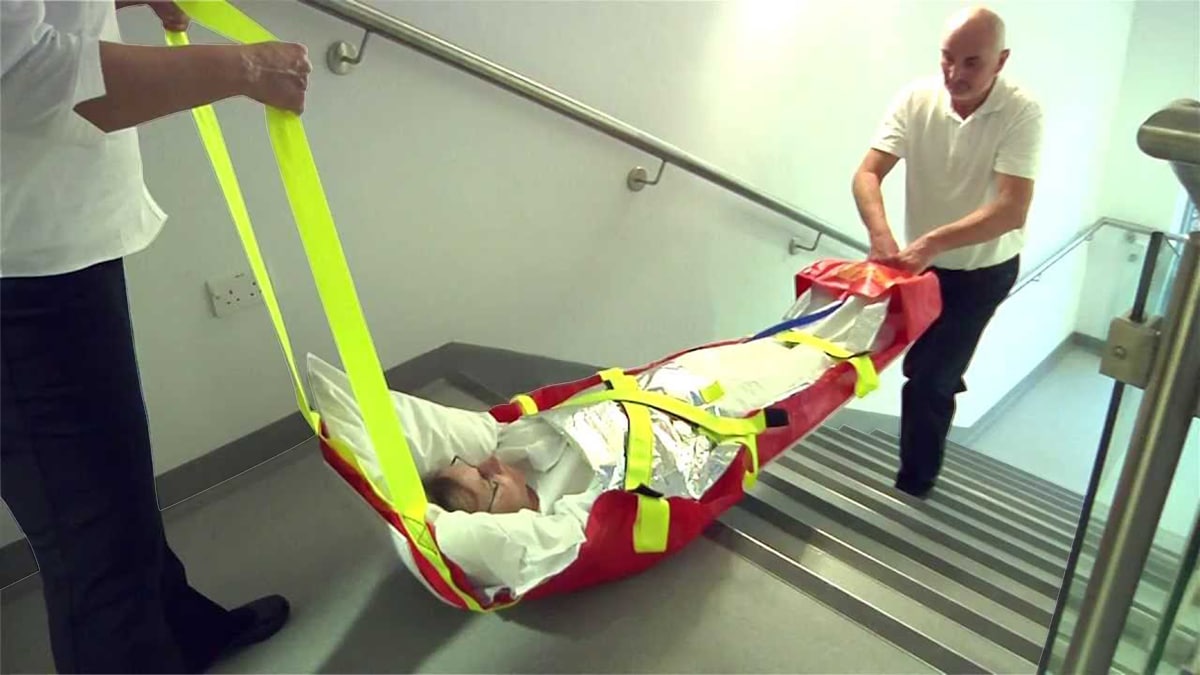
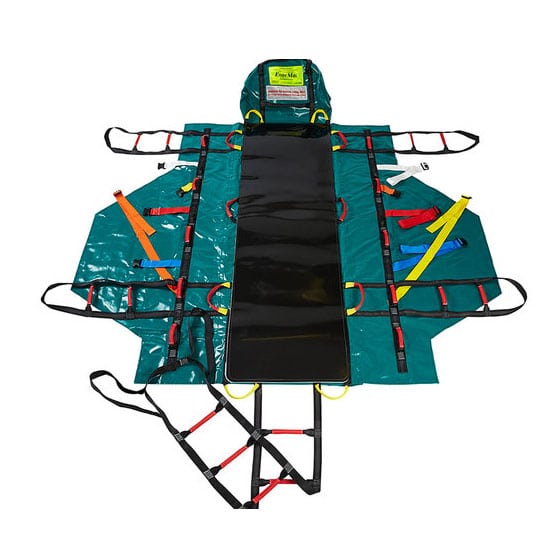
NEW-EVACMAT (Part of the “SKI” range of products)The Bariatric EvacMat is designed to assist emergency services personnel or designated moving and handling staff to evacuate…
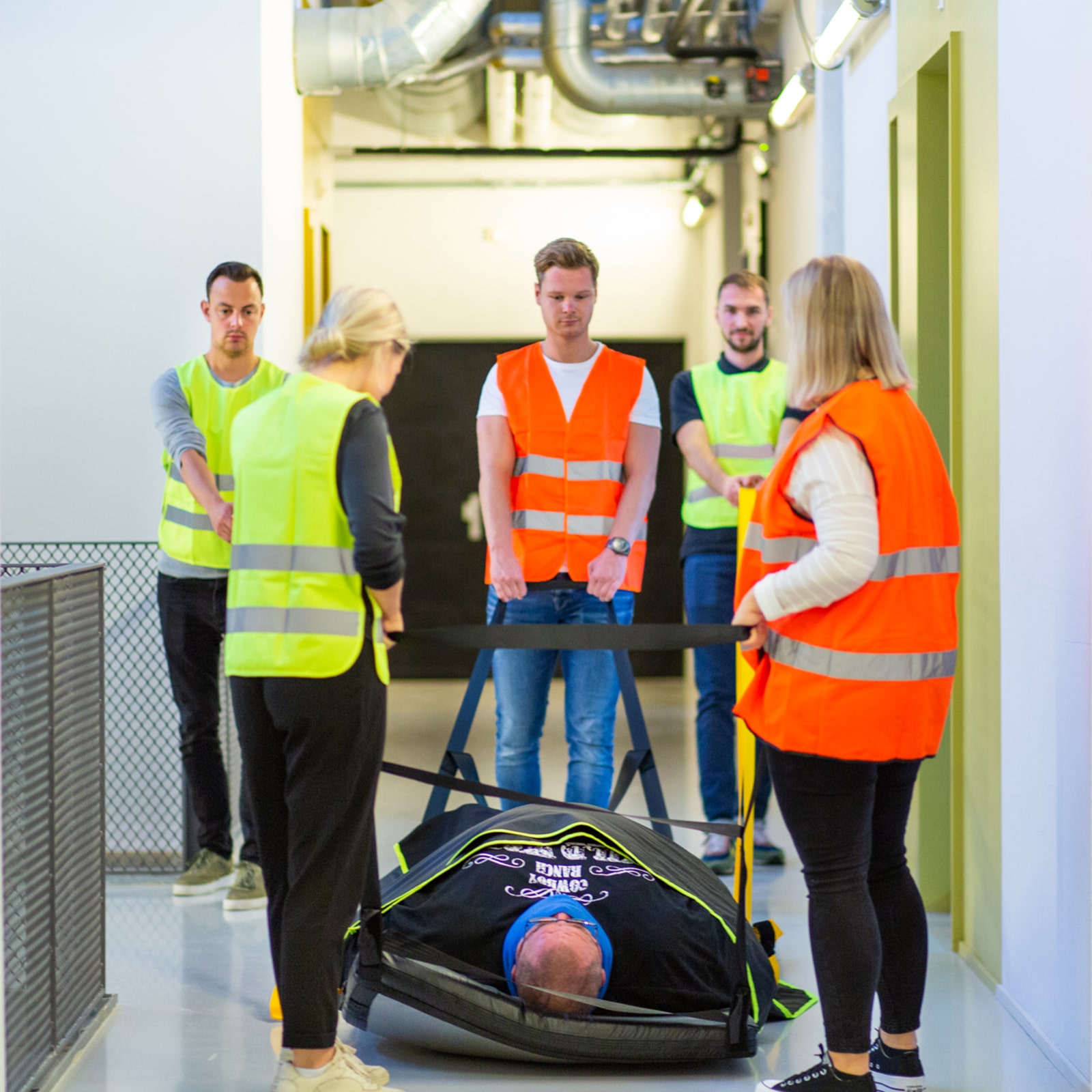
This evacuation mattress helps you to safely evacuate people with a larger stature. Up to 400 KG / 881 lbs. Retain extra warmth Due to the sturdy structure of the fabric and two…
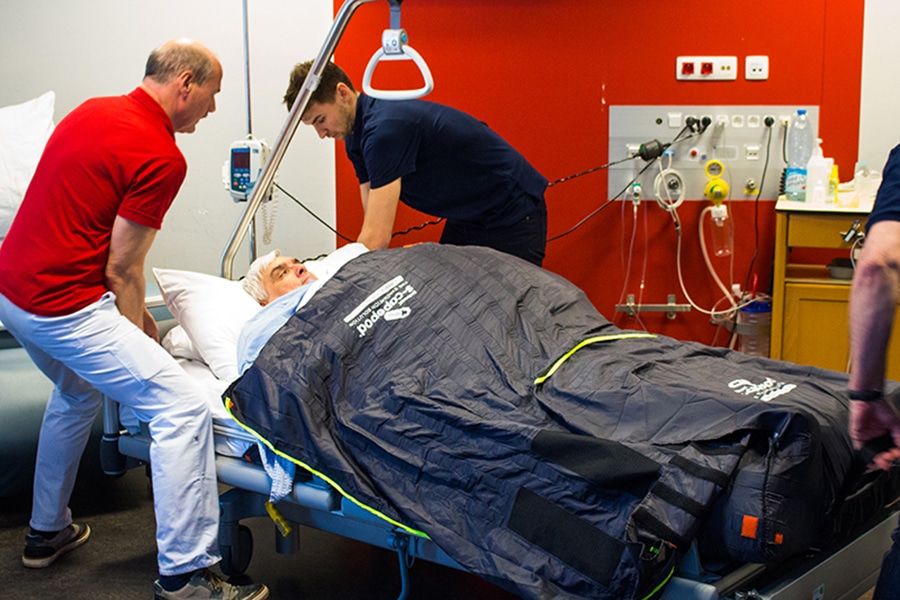
Why do you need an evacuation device for bariatric patients? You cannot simply lift someone out of bed – that’s too heavy. Transferring a bariatric patient onto a portable…
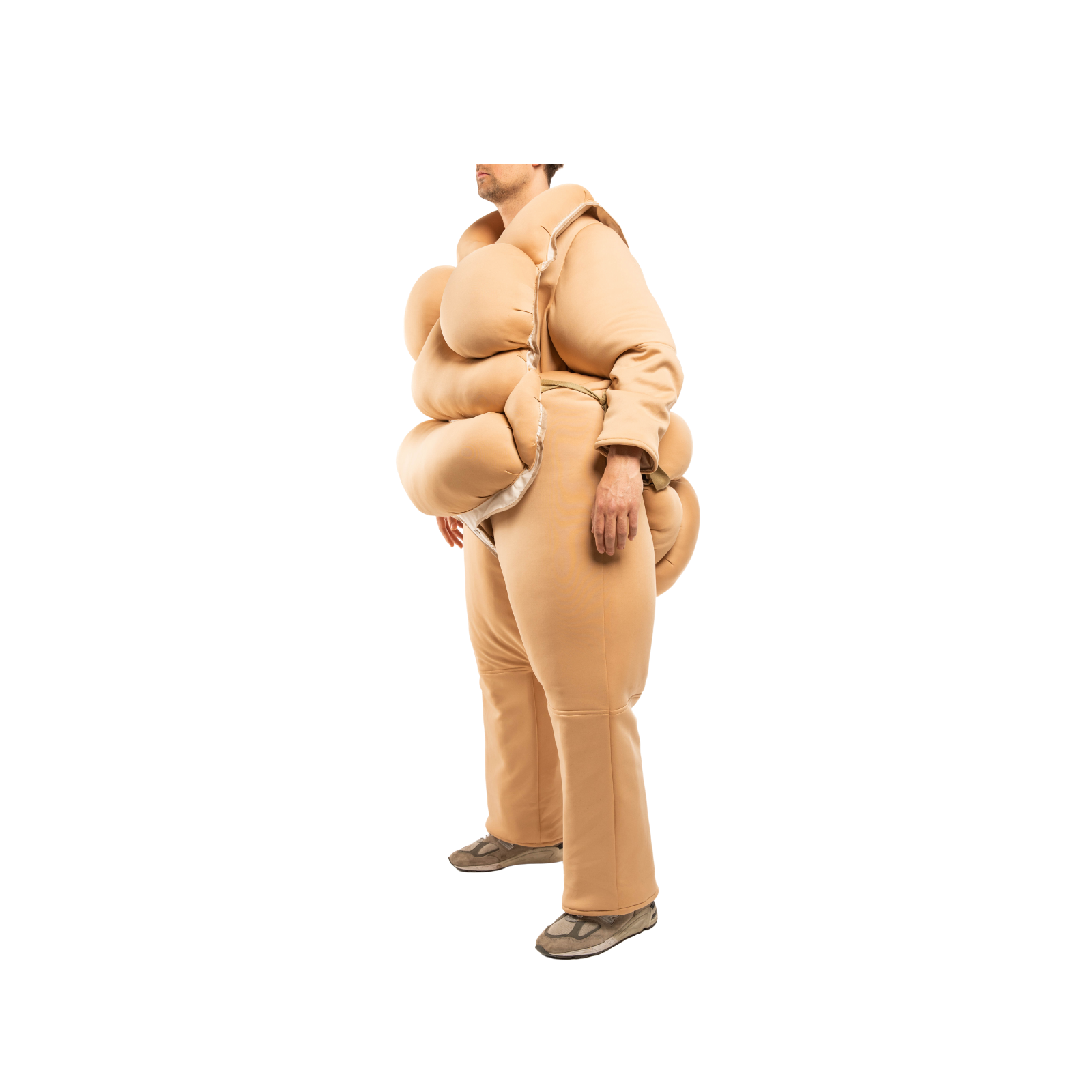
Do you want to brush up your skills to safely care for larger-sized patients? This obesity suit will help you to simulate realistic scenarios in bariatric care. This way you can…
The EMS Bariatric EvacMat has been designed for use by the emergency services as an aid to the rescue and evacuation of large individuals. It is an ideal choice where this type of…
Planning support
Yes. Share the setting, population, route, staffing, and products already under consideration. We can help organize a more focused comparison.
Door widths, turns, stairs, landings, thresholds, and surface changes can determine whether equipment is practical for the intended path.
Confirm current instructions and specifications, determine placement and inspection responsibilities, and incorporate the equipment into training and drills.