Ski Sled

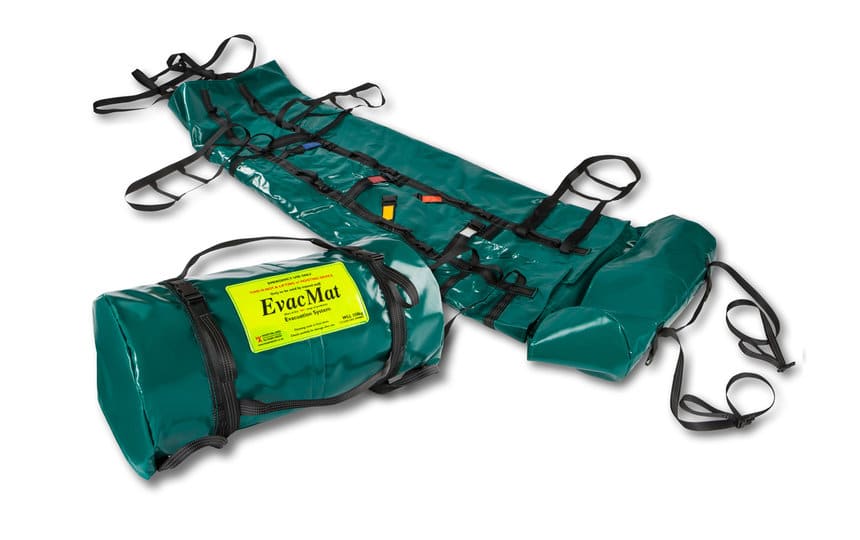
The Ski Sled has been designed for use in confined areas, where space is limited, such as congested hospital wards and buildings with narrow corridors or single width fire doors.…

Request information
Ski Sled

Product details

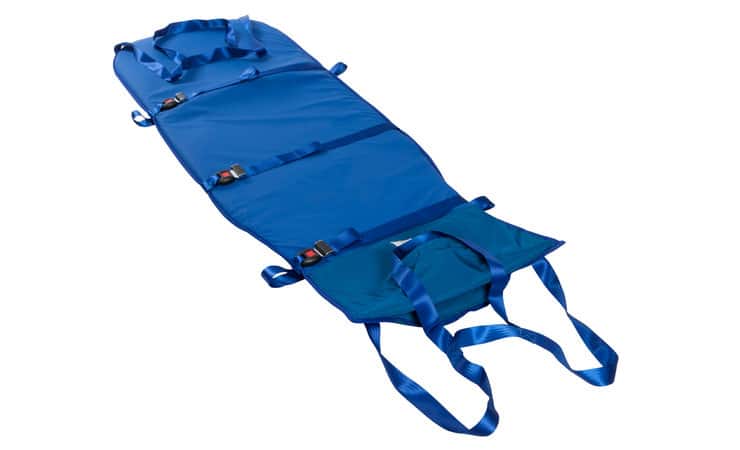
The Ski Sled has been designed for use in confined areas, where space is limited, such as congested hospital wards and buildings with narrow corridors or single width fire doors.

In the event of an emergency, the Ski Sled is easily removed from it’s storage bag. The individual is quickly transferred on to the Ski Sled and then secured in place with seatbelt style straps.

The tough, slippery base (which is different to that of the Ski Pad) enables individuals to be moved easily over virtually any surface, indoors or outdoors. The foam pad and the internal nylon support struts give protection to the individual while being moved.
Planning fit

Evaluate the complete use case.

A useful product review goes beyond a single feature. Confirm these four areas with your safety, clinical, facilities, and response teams.

01

People

Mobility, positioning, clinical support, dignity, and the range of users the plan must cover.

02

Path

Stairs, landings, door widths, surface changes, corners, distance, and destination.

03

Responders

Realistic staffing by shift, handler roles, communication, and ergonomic considerations.

04

Readiness

Placement, inspection, cleaning, deployment time, drills, and refresher training.

Questions to confirm

Before this becomes part of the plan.

We’ll help you obtain current documentation and work through the practical details for your facility.

Ask a product specialist →
How do I know whether this product fits our route?

Document the full path, including stairs, turns, thresholds, door widths, travel distance, and the safe destination. Share those details with our team so the product can be reviewed in context.

What specifications should we verify?

Confirm current dimensions, rated capacity where applicable, handler guidance, materials, cleaning instructions, storage needs, and manufacturer instructions before selecting or using a device.

Should the product be included in drills?

Equipment is most useful when placement, roles, deployment, and movement have been incorporated into your organization’s training and emergency procedures.

Try “stairs,” “NICU,” “bariatric,” or a product name.

Side-by-side

Product comparison