Bodypod Body Removal

The story behind Bodypod In 2016, Dela Funeral Transport tested S-CAPEPLUS evacuation mattress to transfer a deceased on a steep, winding staircase. This was a situation in which…

Request information
Bodypod Body Removal

Product details

The story behind Bodypod

In 2016, Dela Funeral Transport tested S-CAPEPLUS evacuation mattress to transfer a deceased on a steep, winding staircase. This was a situation in which a stretcher would have proved impossible to use. It was quickly discovered that the evacuation mattress wasn’t suitable for deathcare removals. This experience inspired us to find a solution. The goal was to develop a reliable removal device that reduces physical stress for yourself and your employees. In addition, we wanted to be able to move the deceased in a humane way. The evacuation mattress was redesigned. And the Bodypod was born. We’re now on a mission:
‘Reduce lifting and physical stress for the funeral service employee.’

First Call Mattress Bodypod

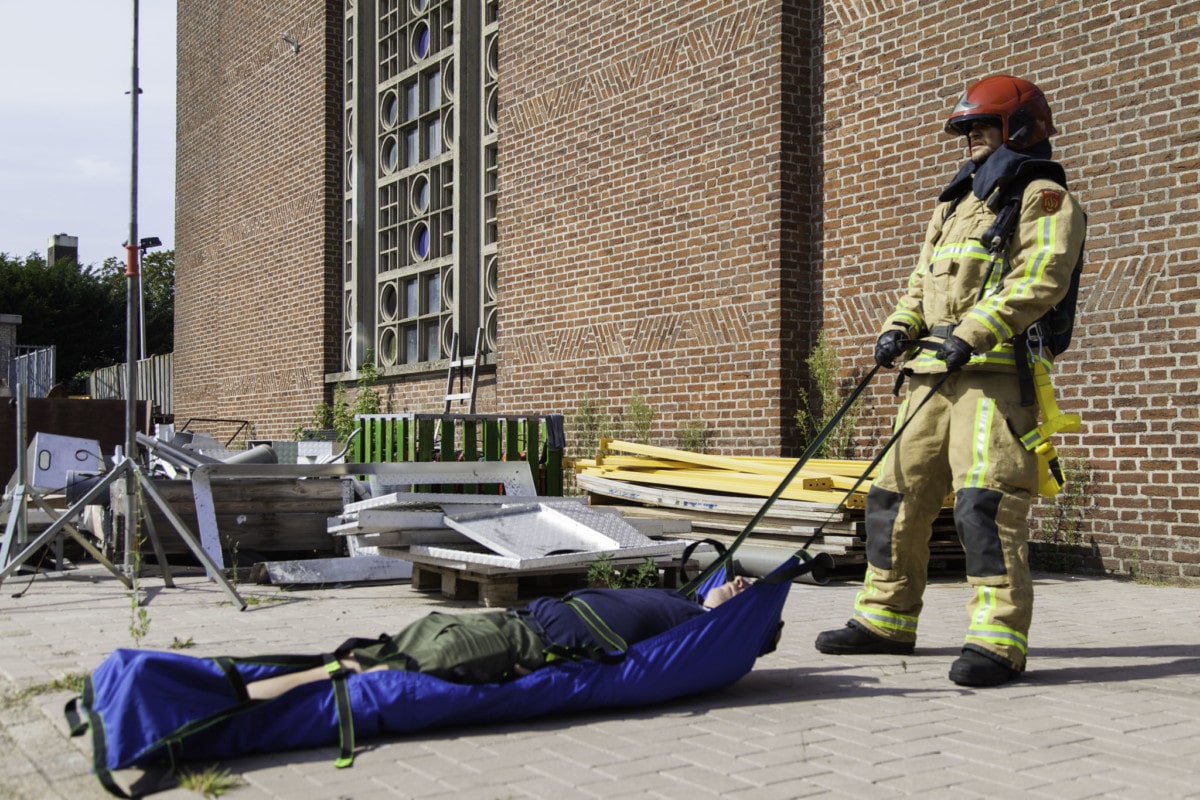
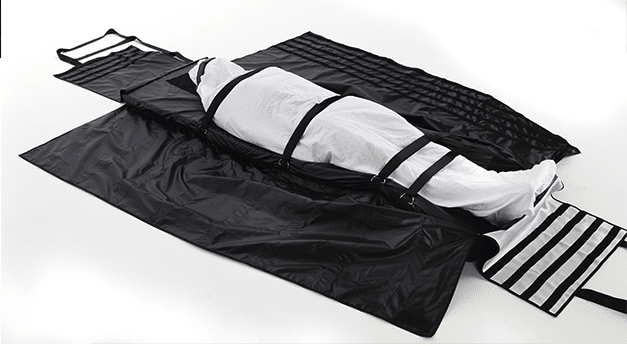
The Bodypod helps you to simplify in-house removals when there’s no stretcher access.
The slide solution helps to reduce lifting and physical stress for the person doing the removal.

Maneuvers easily through tight hallways and stairwells. Thick foam mattress protects the deceased. Takes up very little space, comes in carrying bag. Bottom is equipped with Dyneema®, the strongest fabric available. Easy to clean and cover can be laundered. Recommended weight load 440 pounds

Accessories include a footrest height adjustable and head support.
See it in use

Watch it in action.

Use these demonstrations as an introduction, then review current manufacturer instructions and include the product in hands-on training before deployment.

Product demonstration

BodyPod body removal demonstration

Planning fit

Evaluate the complete use case.

A useful product review goes beyond a single feature. Confirm these four areas with your safety, clinical, facilities, and response teams.

01

People

Mobility, positioning, clinical support, dignity, and the range of users the plan must cover.

02

Path

Stairs, landings, door widths, surface changes, corners, distance, and destination.

03

Responders

Realistic staffing by shift, handler roles, communication, and ergonomic considerations.

04

Readiness

Placement, inspection, cleaning, deployment time, drills, and refresher training.

Questions to confirm

Before this becomes part of the plan.

We’ll help you obtain current documentation and work through the practical details for your facility.

Ask a product specialist →
How do I know whether this product fits our route?

Document the full path, including stairs, turns, thresholds, door widths, travel distance, and the safe destination. Share those details with our team so the product can be reviewed in context.

What specifications should we verify?

Confirm current dimensions, rated capacity where applicable, handler guidance, materials, cleaning instructions, storage needs, and manufacturer instructions before selecting or using a device.

Should the product be included in drills?

Equipment is most useful when placement, roles, deployment, and movement have been incorporated into your organization’s training and emergency procedures.

Try “stairs,” “NICU,” “bariatric,” or a product name.

Side-by-side

Product comparison