MCI Men

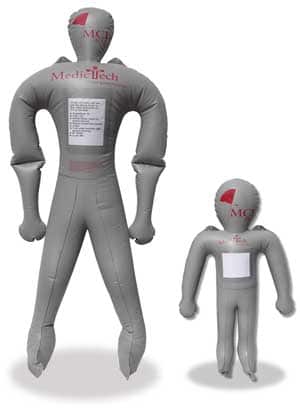
Thomas MCI Man and MCI Ped are a smart, efficient way to help you assess your response system. These durable, inflatable training mannequins save money and time and decrease the…

Request information
MCI Ped

Product details

Thomas MCI Man and MCI Ped are a smart, efficient way to help you assess your response system. These durable, inflatable training mannequins save money and time and decrease the liability of conducting mass casualty incident training.

Advantages of MCI Man and MCI Ped:

  • Eliminates volunteer hassles and potential for injury.-
  • Use year-round, even in inclement weather.
  • Easy preparation, easy dismantle.
  • Low liability, high flexibility training tool.
  • Economical and reusable.

Features of MCI Man and MCI Ped:

  • Clear chest pocket contains prescripted START disaster scenarios (See Below)
  • Compliant with JCAHO standards
  • Available in adult (MCI Man) and pediatric (MCI Ped) sizes
  • Durable plastic material resists punctures
  • Hot and cold weather hardy
  • Quick inflation/deflation
  • Sandbags in feet keep mannequins in place
  • Grommets on shoulders allow tie-down
  • Stores easily in box for re-use

Dimensions:
MCI Man 5′ 7″ (170 cm) 3lb 8 ounces (1.6kg) MCI Ped: 30″ (76.2 cm) 3lbs (1.4kg)

Visit www.thomasems.com for downloadable training scenarios
Planning fit

Evaluate the complete use case.

A useful product review goes beyond a single feature. Confirm these four areas with your safety, clinical, facilities, and response teams.

01

People

Mobility, positioning, clinical support, dignity, and the range of users the plan must cover.

02

Path

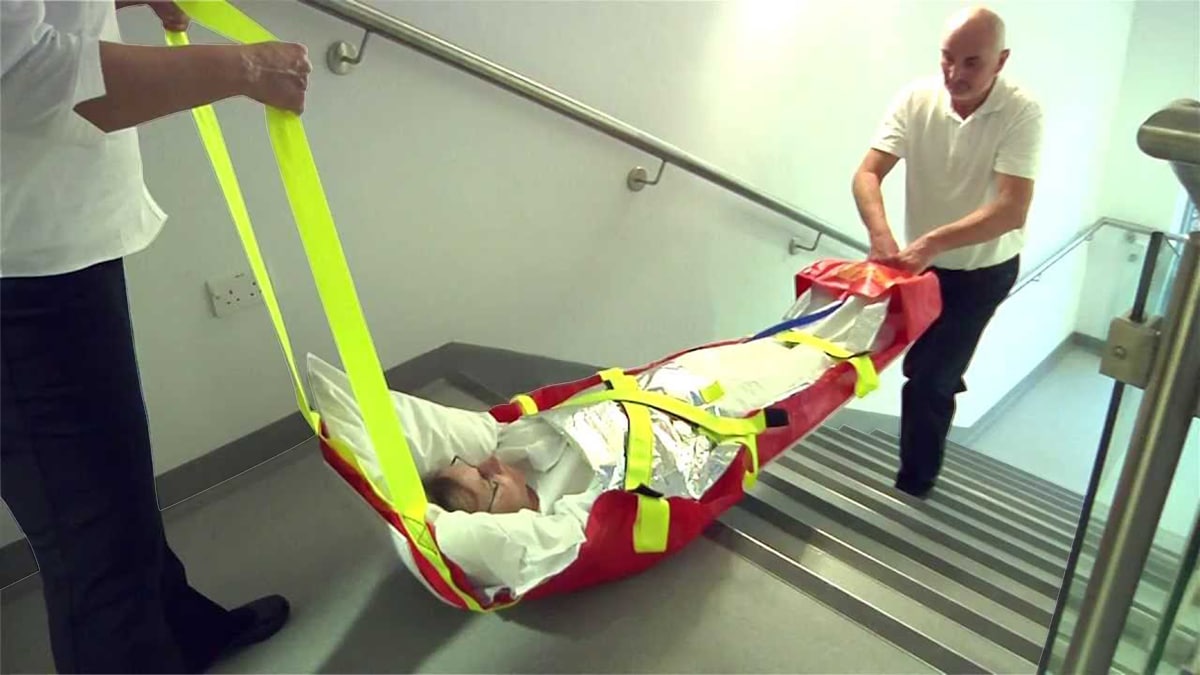
Stairs, landings, door widths, surface changes, corners, distance, and destination.

03

Responders

Realistic staffing by shift, handler roles, communication, and ergonomic considerations.

04

Readiness

Placement, inspection, cleaning, deployment time, drills, and refresher training.

Questions to confirm

Before this becomes part of the plan.

We’ll help you obtain current documentation and work through the practical details for your facility.

Ask a product specialist →
How do I know whether this product fits our route?

Document the full path, including stairs, turns, thresholds, door widths, travel distance, and the safe destination. Share those details with our team so the product can be reviewed in context.

What specifications should we verify?

Confirm current dimensions, rated capacity where applicable, handler guidance, materials, cleaning instructions, storage needs, and manufacturer instructions before selecting or using a device.

Should the product be included in drills?

Equipment is most useful when placement, roles, deployment, and movement have been incorporated into your organization’s training and emergency procedures.

Try “stairs,” “NICU,” “bariatric,” or a product name.

Side-by-side

Product comparison